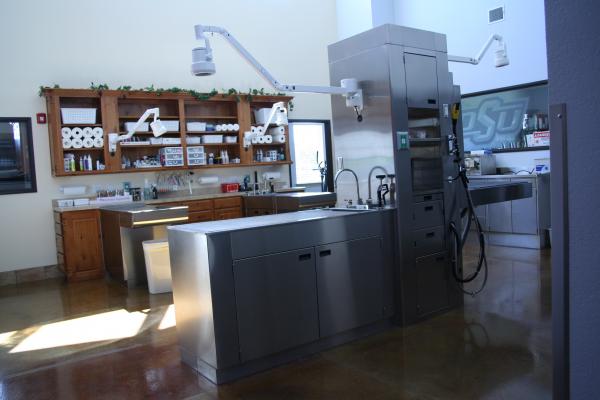
The performance of your veterinary clinic is determined long before your first patient walks through the door. Blueprint-stage decisions affect workflow efficiency, sanitation protocols, staff ergonomics, and long-term operational costs. Once construction begins, flexibility narrows. Once walls are closed and plumbing is set, changes become expensive.
One of the most preventable mistakes in veterinary construction is choosing equipment after architectural plans are finalized. Your veterinary equipment dictates room dimensions, plumbing placement, drainage slope, electrical load, and clearance space. Designing around those realities from the beginning protects your investment and ensures your facility functions as intended.
Careful planning allows you to create a cohesive layout that supports patient care, improves team efficiency, and reduces costly retrofits later.
Do Not Wait Until Construction Is Underway to Choose Equipment
Many clinic owners begin construction before finalizing their equipment list. The result is often compromised spacing or expensive reconstruction when equipment does not fit as expected.
Knowing the exact footprint and clearance requirements of your veterinary exam tables, wet prep stations, kennels, and storage systems ensures that framing, plumbing, and electrical infrastructure are built to support them. Even small discrepancies in measurement can create installation challenges that affect workflow for years.
When equipment selection drives architectural planning, you maintain control over efficiency, compliance, sanitation access, and staff safety.
For additional guidance on designing a clinic that supports both pets and owners, review our insights on creating a pet-friendly environment in a clinic.

Blueprint-Stage Planning: Three Infrastructure Decisions That Drive Everything
Certain foundational systems influence every room in your veterinary hospital. These decisions should be finalized before plans are approved.
1. Equipment Footprints and Clearances
Accurate measurements are essential. Clearance space impacts staff movement, patient handling, and cleaning access. Insufficient spacing can create bottlenecks that slow procedures and increase physical strain on your team.
Designing around real equipment dimensions improves workflow efficiency, ergonomic safety, and sanitation consistency.
2. Plumbing and Drainage Systems
Veterinary facilities require specialized plumbing. Fixtures must withstand frequent cleaning and chemical exposure. Drainage systems must be designed for animal waste management, bathing stations, and surgical prep areas.
A dual-path drainage system separates sanitary waste from wastewater generated during bathing or wound irrigation. Drains must be properly sized to prevent clogs. In kennel areas, flush valves streamline waste removal and simplify cleaning protocols.
Well-designed plumbing reduces odor issues, prevents backups, and supports long-term sanitation standards.
3. Electrical and Backup Utilities
Veterinary equipment often requires dedicated circuits and load balancing to prevent overload. Surgical suites, monitoring systems, and sterilization units depend on consistent power.
A full-building backup generator with adequate capacity ensures continuity of care during outages. Generator placement and ventilation must be incorporated into the blueprint.
Electrical planning protects operational reliability and patient safety.

Room-by-Room Equipment Checklist for Veterinary Blueprint Planning
Blueprint planning should include a detailed review of equipment in every functional space. Addressing needs room by room prevents oversights that are difficult to correct later.
Exam Rooms
Exam rooms require more than a standard table. Multifunctional exam tables that incorporate cabinetry improve organization and reduce unnecessary movement. Storing commonly used items within reach improves appointment efficiency and reduces clutter.
Selecting the right veterinary exam table improves patient flow, staff ergonomics, and space utilization.
Treatment Areas
Treatment rooms typically require either a wet table or a wet prep station, depending on your workflow.
Wet tables are ideal for high-moisture procedures such as wound flushing and include deep integrated sinks with proper drainage. Wet prep stations combine smaller basins with counter space and storage, supporting frequent instrument cleaning and prep tasks.
Thoughtful equipment selection in treatment areas strengthens sanitation efficiency and procedural consistency.
Surgery Suites
Surgical suites require coordinated placement of surgery tables, anesthesia systems, monitoring equipment, sterilization units, warming systems, and dental equipment. Hydraulic lift tables may improve ergonomics and reduce physical strain during procedures.
Wet prep systems must be positioned to maintain clear separation between clean and dirty zones. Establishing defined sterile boundaries within the blueprint supports infection control compliance.
Surgical layout decisions directly influence procedure efficiency, contamination prevention, and team safety.

Holding, Recovery, and Isolation Areas
Kennel design should reflect functional differences between holding, recovery, and isolation spaces.
Holding kennels may support short- or long-term medical boarding. Recovery kennels require high visibility for post-operative monitoring. Isolation areas must include dedicated equipment and appropriate separation for infectious cases.
High-quality veterinary boarding kennels should be incorporated into blueprint planning to ensure adequate spacing, drainage, ventilation, and sanitation access.
For feline housing, purpose-built cat condos for veterinary clinics provide secure environments that support stress reduction and easy cleaning.
Kennel layout planning affects odor control, infection management, and staff efficiency on a daily basis.
What Contractors Often Overlook in Veterinary Layouts
Veterinary hospitals operate differently from traditional commercial buildings. Contractors without veterinary experience may underestimate the importance of drainage slope, HVAC capacity, odor control, or equipment clearance.
Whenever possible, partner with contractors who understand veterinary workflow. Review their previous veterinary projects and ask detailed questions about sanitation infrastructure and ventilation design.
If your contractor lacks veterinary-specific experience, walk them through your daily processes before finalizing blueprints. They must understand the hygiene and safety requirements related to:
- Feeding and handling
- Bathing and wound care
Infection control
- Recovery monitoring
- Containment and isolation
Inadequate HVAC systems and poorly designed kennel drainage are common oversights that can affect your clinic for years.
If Construction Has Already Begun
If building is already underway, adjustments are still possible, though they may require additional coordination. Changes to plumbing or framing often involve partial reconstruction and increased cost.
Custom-fit stainless steel equipment solutions can accommodate structural constraints when necessary. Early collaboration between your contractor and equipment manufacturer reduces delays and ensures proper integration.
Lead times for custom veterinary equipment typically extend several months, so proactive communication remains critical.
Talk to TriStar Vet Before You Finalize Your Blueprints
The blueprint stage is the most strategic moment to involve your equipment partner. At TriStar Vet, we work with clinics during planning to ensure equipment specifications align with architectural drawings.
We design and manufacture veterinary exam cabinets, wet prep stations, Water-Flo tables, isolation units, boarding systems, and stainless steel infrastructure engineered specifically for veterinary environments. Our equipment is built for ergonomic safety, complete cleanability, and long-term durability.
All products are proudly manufactured in the United States. Our team understands the practical demands of veterinary workflow and can help you anticipate infrastructure needs before construction locks you into costly limitations.
If you are planning a new build or renovation, contact TriStar Vet before finalizing your layout. A brief consultation during the blueprint stage can prevent expensive changes later and ensure your clinic is built to operate efficiently from day one.